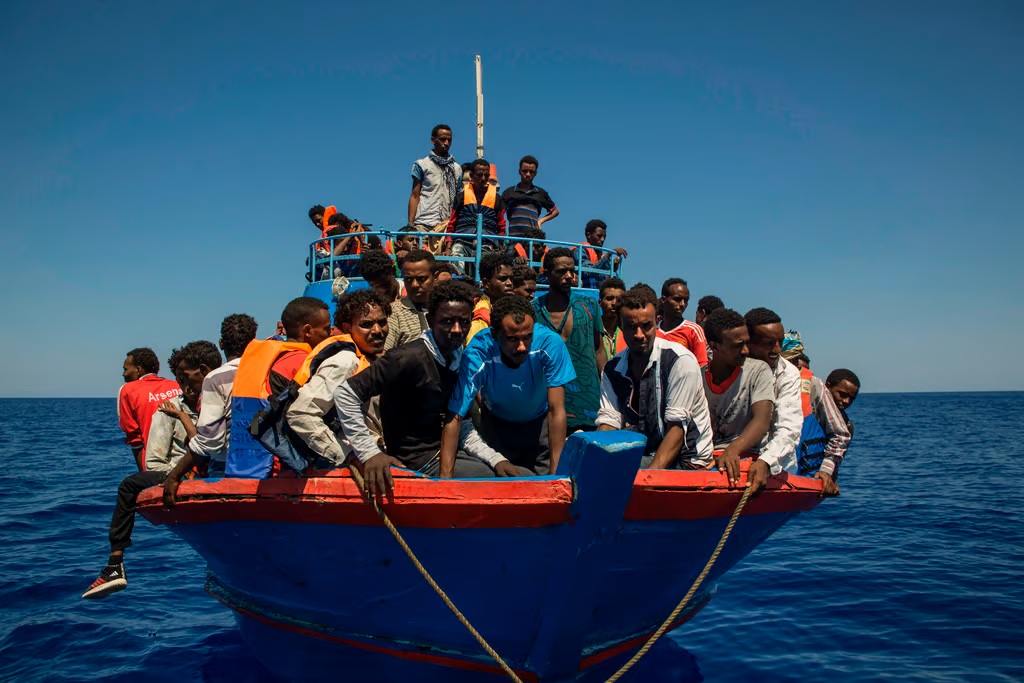
In recent decades, the Mediterranean Sea has become a symbol of both hope and peril for many Africans seeking a better life. The perilous journey across the Mediterranean from North Africa to Europe has claimed the lives of thousands of migrants, yet it remains an enduring route for those fleeing economic hardship, political instability, and environmental disasters. From the war-torn regions of Sub-Saharan Africa to the more stable but economically challenged nations in West and East Africa, the desire to reach Europe has motivated many to embark on dangerous voyages in search of greener pastures.
Migrants from across the African continent often view Europe as a land of opportunity, promising better employment prospects, improved living conditions, and the possibility of a higher standard of living. For many, the harsh realities of their home countries—such as high unemployment rates, political instability, corruption, and environmental degradation—push them to take extreme risks. The Mediterranean, often seen as the last hurdle between them and a new life, is a route fraught with dangers. Thousands of migrants, many of them young people, board overcrowded and ill-equipped boats with little or no knowledge of the perilous waters that lie ahead. In 2023 alone, the International Organization for Migration (IOM) reported that over 1,800 people died attempting to cross the central Mediterranean route, one of the deadliest migratory routes in the world.
Among the many African countries contributing to this migration, West African nations like Ghana are significant players in the ongoing migration crisis. The motivations of Ghanaians, in particular, to undertake this dangerous journey are intertwined with broader regional challenges. Despite Ghana’s relative political stability in comparison to other countries in West Africa, the lack of economic opportunities, high levels of youth unemployment, and regional disparities in wealth contribute to a growing desire to leave in search of better opportunities abroad.
In Ghana, the issue of migration is multifaceted. The country’s economy has shown growth in recent years, but the benefits of this growth have not reached all sectors of society. Young people, especially those in rural areas, face significant barriers to employment. Youth unemployment in Ghana has become a major concern, with reports indicating that up to 12.6% of young people were unemployed in recent years. The lack of sufficient job opportunities, combined with the challenges of accessing education and professional training, often leaves young Ghanaians feeling disconnected from the economic progress of their country. As a result, many of them turn to migration as a means of escaping economic stagnation and pursuing the opportunities they feel are not available to them at home.
Beyond economic factors, the desire for better educational and professional prospects also drives many young Ghanaians to seek opportunities in Europe. While Ghana has made strides in its educational system, it is still highly competitive, and not all students are able to secure a place in tertiary institutions. Moreover, the challenge of finding a good job after graduation is becoming increasingly difficult, particularly when many industries cannot absorb the growing number of graduates each year. For those with limited access to employment or higher education, Europe presents a beacon of hope, with its advanced educational institutions, better job prospects, and higher wages.
Additionally, like many African countries, Ghana is feeling the effects of climate change. Agricultural communities, which make up a significant portion of the population, are experiencing the negative impacts of rising temperatures, inconsistent rainfall, and land degradation. These environmental challenges are pushing people, especially in rural areas, to seek more stable livelihoods. The loss of income from farming and other rural industries has led some Ghanaians to migrate within the country, while others take the far more dangerous route across the Mediterranean. The situation is exacerbated by poor infrastructure and limited access to government support, which make it difficult for these vulnerable populations to adapt to the changing climate.
As the number of Ghanaians crossing the Mediterranean continues to rise, it highlights the complexities of migration from the country. Many embark on the journey from North African countries like Libya, where they often rely on smugglers to help them cross the sea. These smugglers take advantage of the migrants’ desperation, subjecting them to unsafe conditions and even abuse. Once on the Mediterranean, the boats they board are frequently overcrowded and ill-equipped to handle the difficult conditions of the sea. For the migrants, the risk of drowning, being stranded at sea, or falling victim to human trafficking is an ever-present danger. In fact, the International Organization for Migration (IOM) has reported that a significant portion of Mediterranean crossings originate from West African countries, with Ghana consistently being one of the top countries of origin.
Despite the European Union’s efforts to combat irregular migration by strengthening border security, implementing rescue operations, and providing financial support to African nations, the numbers of migrants attempting the Mediterranean crossing have not significantly declined. These measures have been criticized for their focus on deterrence rather than addressing the root causes of migration. Many migrants, including Ghanaians, continue to see the Mediterranean crossing as their only viable option for escaping poverty and achieving a better life.
The response to this crisis has also seen Ghana’s involvement in agreements with European nations to manage migration more effectively. In 2017, Ghana and the European Union signed a migration agreement aimed at addressing the root causes of migration, including poverty, and promoting more legal and safe migration routes. While such initiatives are a step in the right direction, they have yet to offer the comprehensive solutions needed to stem the tide of irregular migration. Until the underlying challenges—such as unemployment, lack of opportunities, and the effects of climate change—are addressed, many Ghanaians will continue to take the dangerous risk of crossing the Mediterranean in search of a better future.
The key to addressing migration from Ghana lies in creating sustainable opportunities for its citizens at home. Investing in economic development, particularly in the agriculture and manufacturing sectors, could provide much-needed jobs and reduce the desire to migrate. Additionally, improving the education system and offering vocational training opportunities could help equip the youth with the skills necessary to thrive in the changing job market. Tackling regional disparities by improving infrastructure and ensuring equal access to resources is also critical to reducing the pressure on rural populations to migrate.
Furthermore, the Ghanaian government and the international community must work together to build resilience against climate change and create strategies for climate adaptation, especially for vulnerable rural communities. By addressing these key issues, Ghana can provide its young people with viable alternatives to migration, ensuring that fewer Ghanaians feel the need to risk their lives on the Mediterranean in search of a better future.
In conclusion, while migration across the Mediterranean remains a significant and deadly issue for many Africans, including Ghanaians, addressing the root causes of this migration is key to creating lasting solutions. Ghana, with its political stability and growing economy, has the potential to reduce the number of its citizens embarking on such dangerous journeys if it can address the challenges of youth unemployment, regional disparities, and climate change. Until such measures are put in place, however, the Mediterranean will remain a tragic symbol of the lengths to which people will go to escape poverty and achieve a better life.